Connecting with Landscape
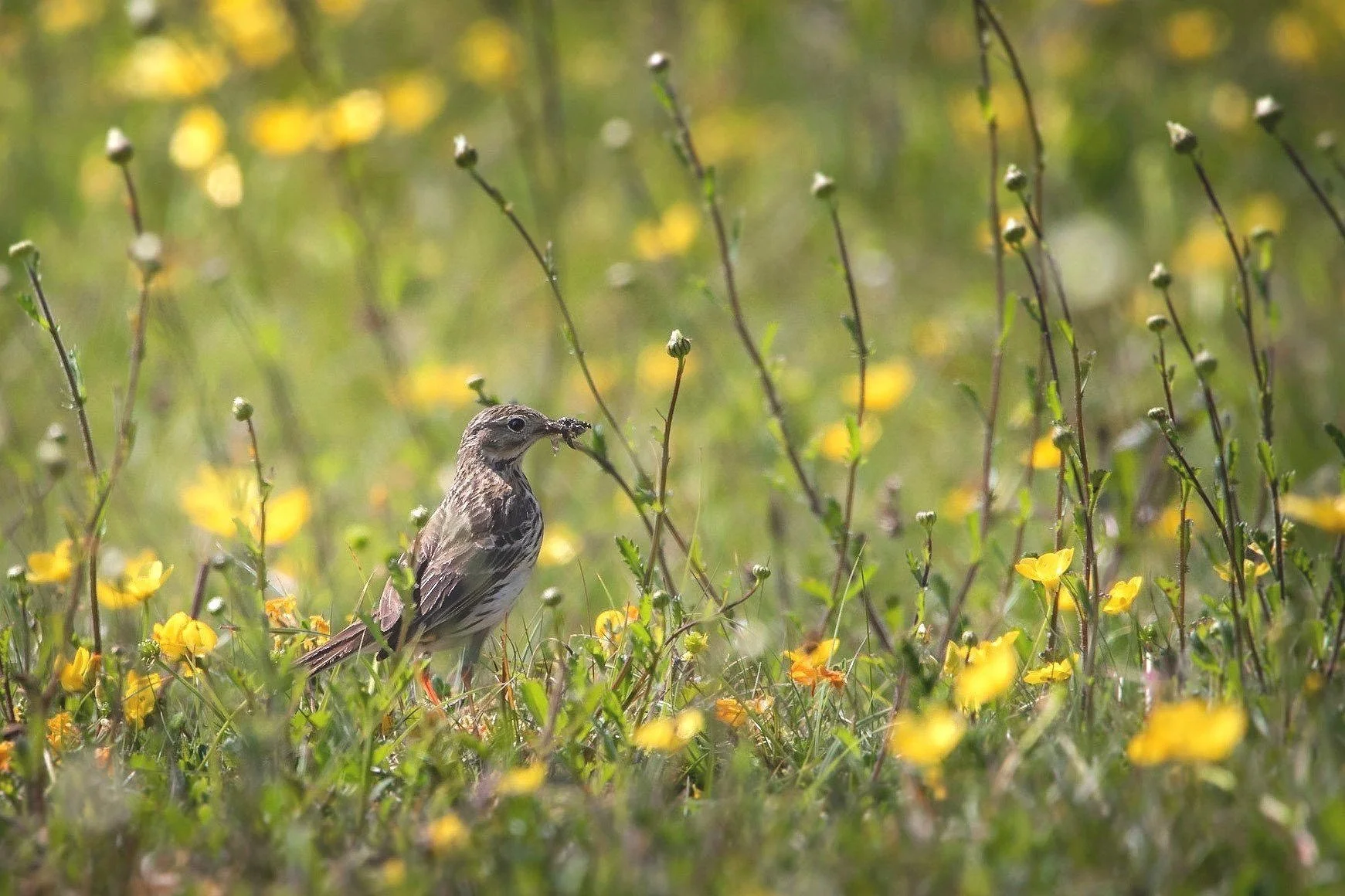
We in Ireland, have a very complicated history with the land and nature. Our language, culture, and religion was all tied to the natural world. But we have had several waves of influence in different forms over the past millennia that has all but severed our connection with the land and sea:
Farming became a staple to survival, with hunter-gatherer lifestyles and the intimate knowledge of the land no longer needed.
Christianity superseded our pagan beliefs, which saw the forces of nature as deities replaced with one god in our own image, putting humanity on a podium with nature below.
Overseas colonisation starting with the Vikings forcibly removed land from our stewardship, and introduced the concept of ownership; the possessing of nature as a commodity.
Gaelige rooted us deeply to the land, with hundreds and thousands of adjectives for the natural world and its processes. With that loss, the connection faded to a thread.
An Gorta Mór was the final straw, after centuries of being pulled away from the landscape and our resources stripped for overseas, that thread finally snapped. The land itself let us down. Those that weathered this time best were seafarers, fishers and coastal foragers; and in the aftermath of mass mortality and emigration, the shame these communities carried for simply surviving meant we turned our backs on the sea.
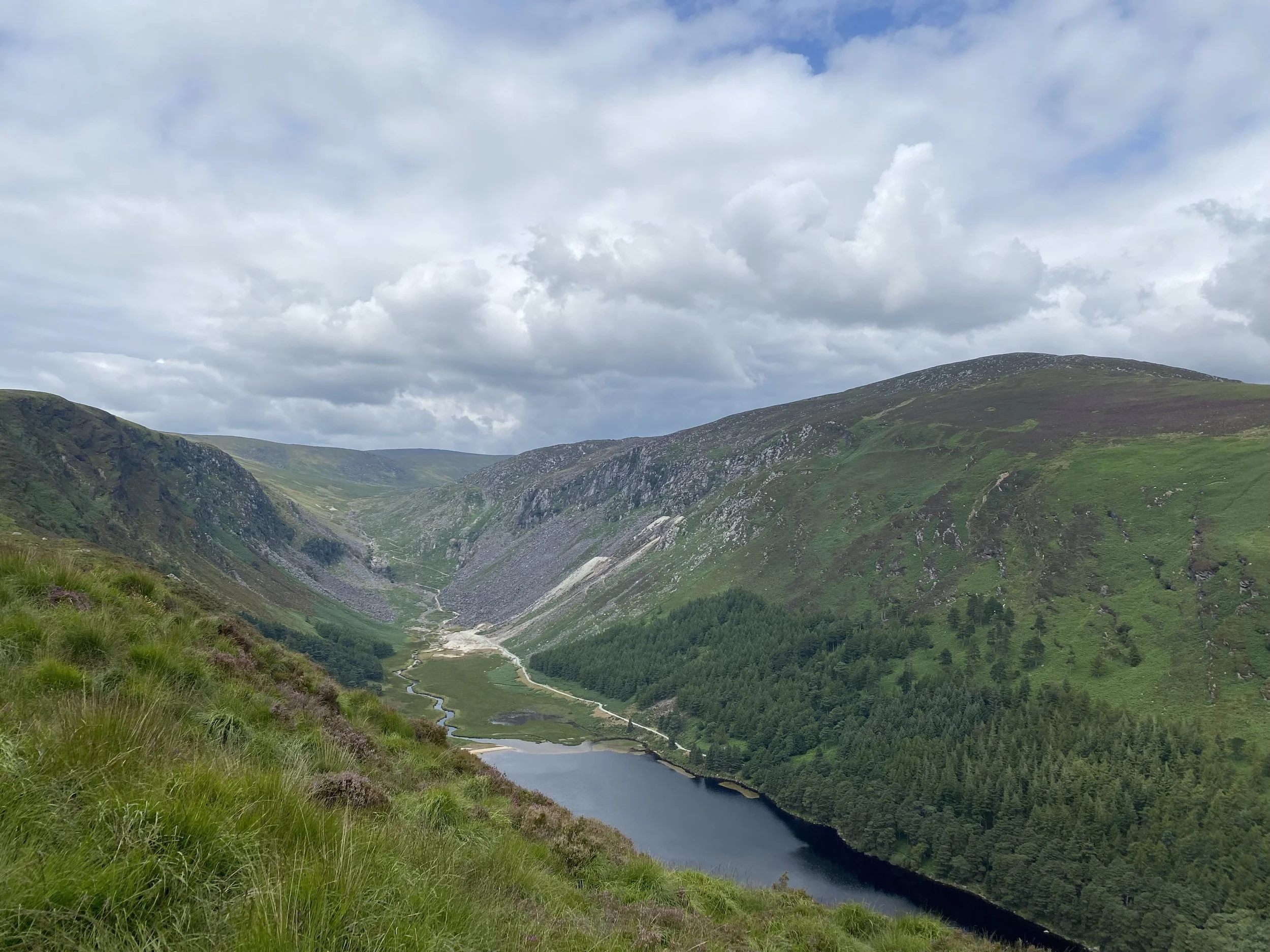
In the time since then, since regaining autonomy over our Island, our culture was one of keen reclamation. We progressed, we industrialised, we took the wheel of the machine of production and declared it our own. But many in Ireland still feel the losses of the past even if we do not fully acknowledge them. We feel lonely, numb, powerless to much that goes on in the world around us, and that has kept us stuck in a society that no longer serves us wholly, but that is changing.
Opinion surveys over the past number of years say that 70-80% of people are concerned about biodiversity loss. It is a priority for the people of Ireland, but it does not have to be left to political leaders and policy to take action. Many ripples make waves, collective small actions turn the needle. By reconnecting with our language, acknowledging the past, and observing the natural world all contribute to its recovery. At the core of our ethos is to help guide people back to nature, to encourage people to slow down and observe, and work with the landscape for the best outcomes for both nature and people, because at the core they are one in the same.